

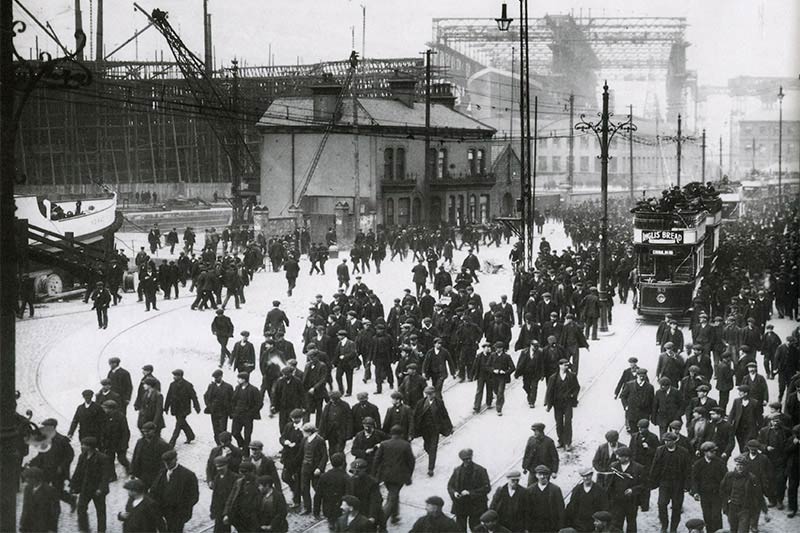

Shipyard workers throughout history have faced a myriad of hazards in their daily work, leading to industrial diseases and accidents. From chemical exposures to machinery accidents, the risks were numerous and often led to devastating consequences. Additionally, the evolution of legislation aimed at protecting workers provides insight into the gradual recognition of these dangers and the efforts to mitigate them.
Chemical Burns and Respiratory Illnesses: Shipbuilding involved the use of corrosive chemicals and toxic substances such as asbestos, leading to chemical burns and respiratory illnesses like asbestosis and mesothelioma. Workers lacked proper protection, exacerbating the risks to their health.
Hearing Loss and Machinery Accidents: High noise levels from machinery and the handling of heavy equipment contributed to hearing loss among workers. Moreover, the operation of large-scale machinery posed a constant threat of accidents, especially for those lacking adequate training.
Slips, Trips, and Falls: The nature of shipyard work, often performed on scaffolding and in confined spaces, increased the risk of slips, trips, and falls, resulting in serious injuries such as spinal cord damage.
Electrocution and Shock Hazards: Wet environments and electrical equipment in shipyards heightened the risk of electrocution for workers. Malfunctioning equipment and damaged wiring posed significant dangers, underscoring the importance of thorough safety protocols.
Legislative Responses: The Factory Act of 1833 marked a significant step in regulating child labor and working conditions, setting limits on working hours and establishing minimum age requirements. Subsequent legislation, such as the Factory and Workshop Act of 1878 and the Employers’ Liability Act of 1880, further aimed to protect workers’ rights and ensure accountability for accidents caused by negligence.
Industrial Accidents in History: Historical accounts of industrial accidents, such as those in 1867 and 1870, highlight the grim reality faced by workers. Despite the tragedies, accountability was often elusive, with verdicts of accidental death assigning no blame to those responsible for workplace safety.
To learn more about Belfast’s leading medical personalities, book a Diseases/Drs Tour!