

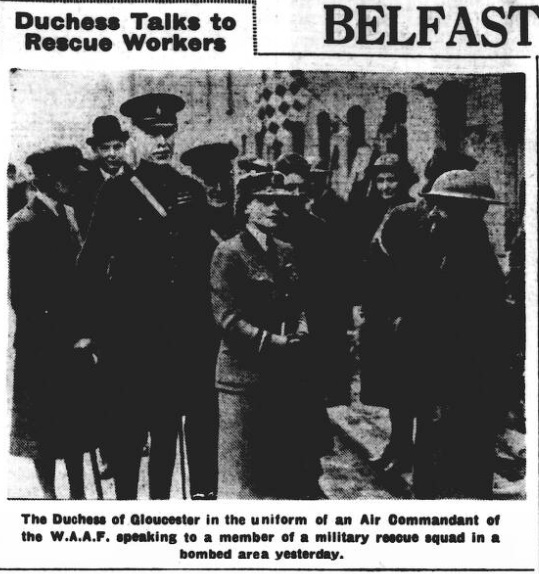

As the spectre of war loomed over Europe, the British government made a strategic decision to station approximately 100,000 troops in Northern Ireland by April 1941. This military presence served a dual purpose, reflecting the complex geopolitical dynamics of the time.
First and foremost, these troops were tasked with defending Ireland against the looming threat of invasion by German forces. With Northern Ireland potentially serving as a strategic staging post for any German incursion into Britain, the need for a robust defence strategy was paramount.
However, the presence of British troops in Northern Ireland also carried a deeper significance, rooted in the fraught history of Anglo-Irish relations. Lord Craigavon, the Prime Minister of Northern Ireland, harboured deep suspicions about the intentions of the Irish government under Eamon de Valera. Believing that de Valera had fallen under Nazi influence, Craigavon advocated for a radical plan to overthrow the elected Irish government and install a British military governor in Dublin.
Central to Craigavon’s proposal was the insistence on using non-English troops to avoid resurrecting painful memories of British repression during the Irish War of Independence. Units such as the notorious Black and Tans and Auxiliaries had left a trail of brutality and violence in their wake, fuelling resentment and resistance among the Irish populace.
In a bid to assuage southern sensitivities, Craigavon proposed that Scottish and Welsh divisions form the bulk of the occupying forces, with a military governor appointed to oversee the entire island from Dublin. While Winston Churchill ultimately rejected this audacious plan, the looming spectre of German occupation in Europe prompted serious contingency planning for a potential invasion of Ireland.
The deployment of troops in Northern Ireland thus represented a delicate balancing act, aimed at safeguarding against external threats while navigating the complexities of historical grievances and political sensitivities. Against the backdrop of global conflict, the strategic imperatives of war intersected with the enduring legacy of colonialism and conflict in Ireland, shaping the trajectory of military strategy and geopolitical manoeuvring in the region.
As we reflect on this tumultuous period in history, we are reminded of the intricate web of alliances, suspicions, and rivalries that defined the wartime landscape. The presence of troops in Northern Ireland serves as a poignant reminder of the enduring legacy of conflict and the complexities of national identity in a divided land.
To delve deeper into the complexities of wartime strategy and geopolitical intrigue, join Dr. Tom’s Tours and explore the hidden histories that shape our understanding of the past.