

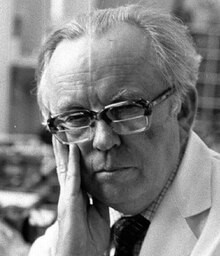

James Francis Pantridge, CBE MC OStJ (1916–2004), a distinguished Northern Irish cardiologist, forever altered the landscape of emergency medical care through his innovative contributions. Born in Hillsborough, County Down, Ireland, on October 3, 1916, Pantridge embarked on a journey marked by resilience and dedication to service. Educated at Friends’ School Lisburn and Queen’s University of Belfast, he graduated in medicine in 1939, laying the foundation for a remarkable career ahead.
Revolutionizing Emergency Care
Pantridge’s seminal work emerged during World War II, where he served in the British Army, earning the Military Cross for his valour in Malaya. Despite enduring the horrors of war and internment as a prisoner, his unwavering commitment to saving lives remained steadfast. Following his liberation, Pantridge embarked on a pioneering medical career, becoming a lecturer at Queen’s University and later advancing his studies in the United States.
The Defibrillator: A Lifesaving Innovation
Pantridge’s legacy is perhaps best encapsulated by his invention of the portable defibrillator, a groundbreaking device that revolutionized emergency medical care. Collaborating with colleagues, he introduced modern CPR techniques and conceptualized the mobile coronary care unit (MCCU), ensuring prompt intervention for cardiac emergencies. His tireless efforts culminated in the installation of the first defibrillator in a Belfast ambulance in 1965, ushering in a new era of lifesaving interventions and solidifying his status as a pioneer in emergency medicine.
To learn more about Pantridge and other Belfast doctors, book a medical history tour!