


In the early 20th century, ensuring the health and well-being of schoolchildren in Belfast posed significant challenges amidst outbreaks of infectious diseases and prevailing socio-economic conditions. While measures were taken to protect the health of pupils, disparities emerged between state-funded National Schools and private preparatory and secondary institutions.
Private Schools:
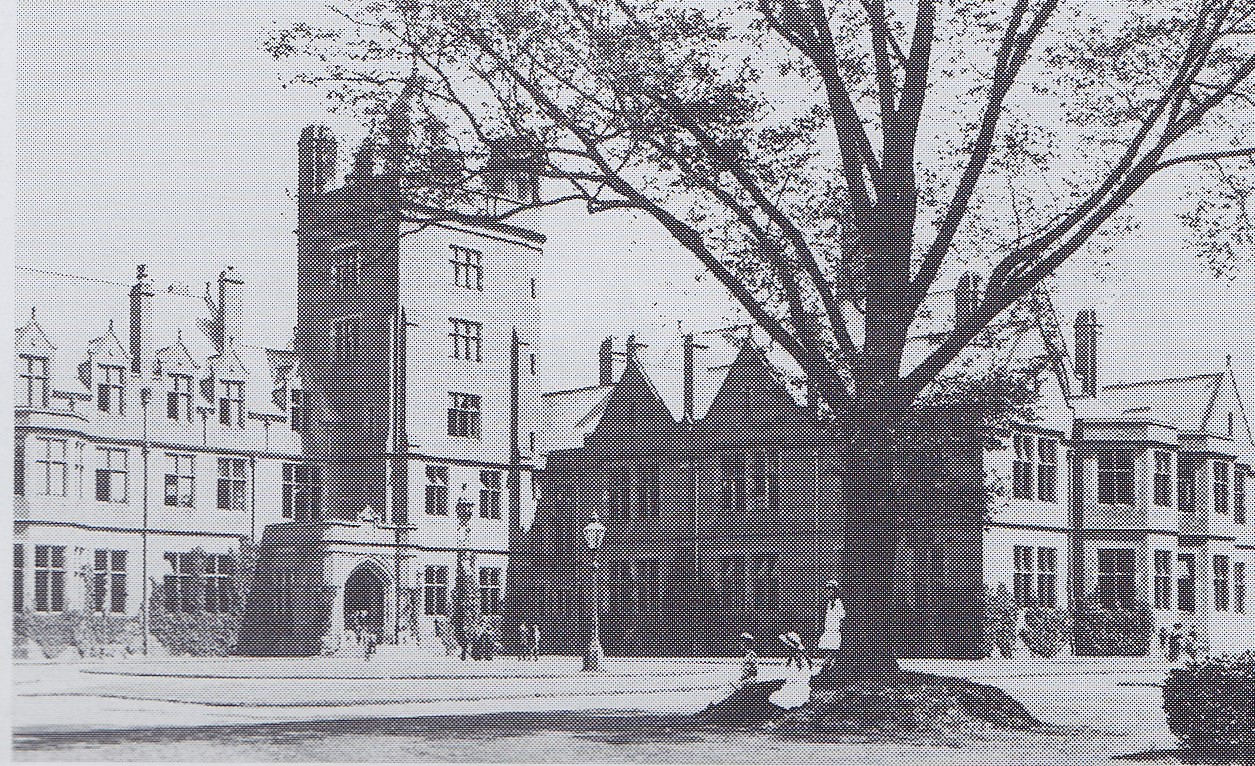
Private schools, catering to the affluent middle class, prioritized student health. Campbell College Belfast (CCB), for instance, implemented stringent health protocols following a scarlet fever outbreak in 1899. The school invested in a dedicated sanatorium and enforced rigorous medical examinations for incoming students. Despite these efforts, disease outbreaks persisted, underscoring the persistent threat to student health.
National Schools:
In stark contrast, National Schools serving working-class communities struggled to address health concerns effectively. Reports highlighted widespread dental issues and frequent epidemics of scarlet fever, whooping cough, diphtheria, and measles. Overcrowded classrooms and inadequate sanitation exacerbated the spread of infectious diseases, posing formidable challenges to student well-being.
Challenges and Solutions:
Efforts to address these challenges were hindered by prevailing attitudes towards disease and poverty. Many middle-class individuals viewed illness as inherent to the working-class condition, perpetuating social inequalities. The reluctance to invest in school health initiatives reflected broader societal priorities, with municipal expenditure directed elsewhere, such as grand civic projects like Belfast City Hall.
Conclusion:
The plight of Edwardian Belfast schools reflects broader societal disparities in healthcare access and priorities. While private institutions endeavored to protect student health, National Schools grappled with systemic challenges exacerbated by socio-economic inequalities. Addressing these disparities required a fundamental shift in attitudes and priorities, underscoring the complex interplay between health, education, and socio-economic factors.
For a deeper exploration of historical health challenges and societal responses, visit Dr. Tom’s Tours.