
William Conor’s former studio
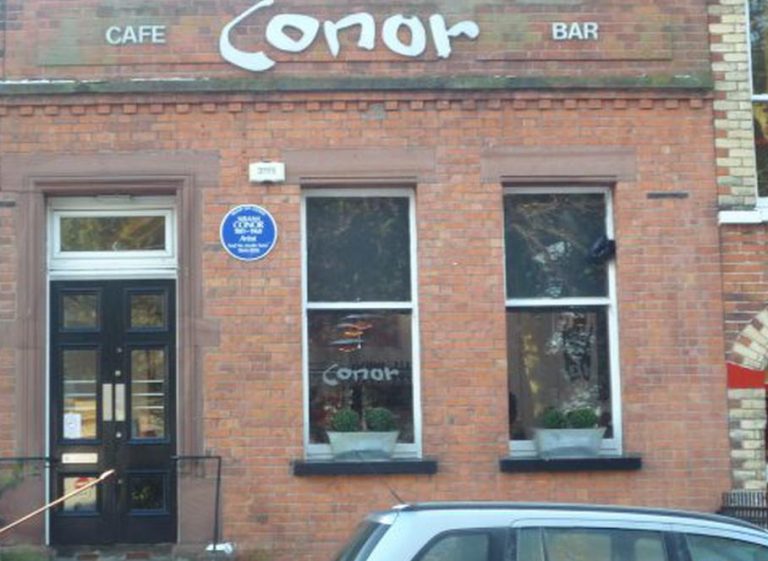
A cafe is now is located on the former studio of Belfast artist William Conor. This used to be Cafe Connor but has now changed (the photograph is out of date). Conor was born on 9th May 1881, 5 Fortingale…


A cafe is now is located on the former studio of Belfast artist William Conor. This used to be Cafe Connor but has now changed (the photograph is out of date). Conor was born on 9th May 1881, 5 Fortingale…
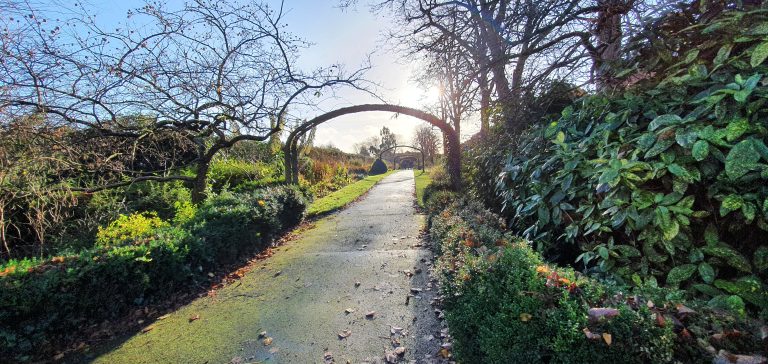
The park’s origin can be traced by to 1828 when the Belfast Botanic and Horticultural Society was founded and Botanic Gardens opened by private subscription. This was part of a wider public movement amongst educated Georgians and early Victorians to…
Murals are common in both nationalist and loyalist areas painted onto walls and gable ends (such as below). The themes and subjects of these murals vary but many are of a distinct political nature, either supporting a united Ireland or…
Is the municipal headquarters, meeting venue and civic building for Belfast City Council located in Donegall Square, Belfast. It is located in the Linen Quarter as the site now occupied by the City Hall was once the home of the…
Queen’s University Belfast, officially The Queen’s University of Belfast (also known as “Queen’s”, “Queen’s University” and “QUB”), is a public research university in Belfast and one of two universities in Northern Ireland (the other being Ulster). The university received its…
Victoria Park was opened in 1906 and built on reclaimed land from Belfast Lough. It is located in East Belfast near George Best airport. The idea of creating a public park near the Connswater River in east Belfast was first suggested…
The Duncairn Centre for Culture & Arts is North Belfast’s first purpose built arts and culture venue. The new £3.5 million venue is a world-class facility consisting of 3 art studios, an exhibition area, community meeting room, 170 capacity theatre/performance…
St George’s Market is the last surviving Victorian covered market in Belfast. It was built between 1890 and 1896. It is located in an area known as the ‘Markets’ as it was dominated by the Belfast abattoir and animal and…
Designed in the Gothic Revival style by architect W. H. Lynn, it was completed in 1875. The Church is named after the builder James Carlisle’s son to whom he built the church. The church was home to one of the…
Located on the High Street in Belfast, it is the oldest Church of Ireland church in Belfast. The church stands on what had been a fording place where the River Lagan and River Farset met. A structure known as The…