
What happened to Belfast’s castle?
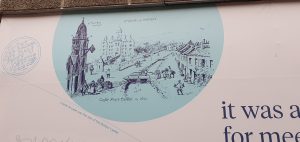
The old Belfast Castle burnt down on 25 April 1708. It was located on a site to the south of the High Street and north of Castle Place. The first castle building on this site was established in the 1170s…

The old Belfast Castle burnt down on 25 April 1708. It was located on a site to the south of the High Street and north of Castle Place. The first castle building on this site was established in the 1170s…
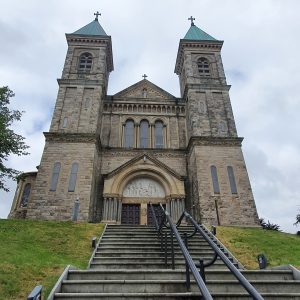
Holy Cross Church is a Catholic Church in the Ardoyne area of North Belfast. Designed by Walter G. Doolin and completed by his partner Rudolph Maximilian Butler after Doolin’s premature death aged 52. It was consecrated in 1902. Do you…
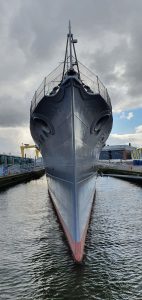
HMS Caroline is a decommissioned C-class light cruiser of the Royal Navy that saw combat service in the First World War and served as an administrative centre in the Second World War. Caroline was launched and commissioned in 1914. At…
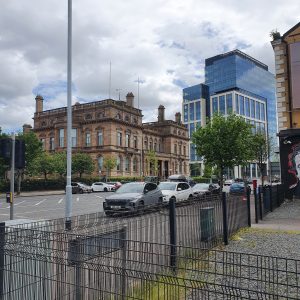
The Belfast Harbour Office has been the headquarters for the Harbour Commissioners for more than 150 years. B The building was designed by engineer George Smith and opened in 1854. An additional section was designed by celebrated Belfast architect William…
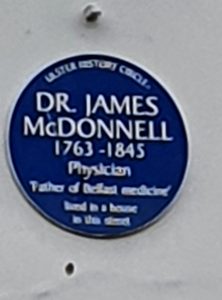
McDonnell was born in Cushendall on 14 April 1763, son of Michael and Elizabeth (Stewart). Under his mother’s influence James and his brothers were brought up as Protestants although their father was a Catholic. James was educated in the Red…
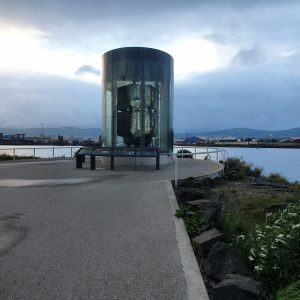
Located on the Titanic Walkway, the Great Light is one of the largest lighthouse optics of its kind ever built. The optic is around 130 years old, weighs 10 tonnes and measures 7 metres tall. The Great Light served two…
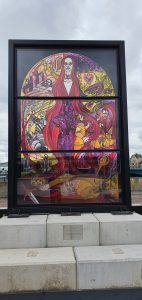
In 2021, to celebrate the 10 years of filming of HBO fantasy series Game of Thrones in Northern Ireland, Tourism Ireland created six giant, stained glass windows depicting some of the most iconic scenes from the series. These windows – known…
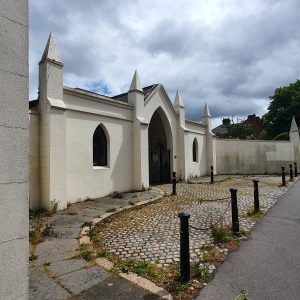
Friar’s Bush Cemetery is a burial site used since Medieval times up until 1869 when it was closed and the new Milltown Cemetery in West Belfast was used. It has traditionally been a Catholic cemetery and many leading Catholic citizens…
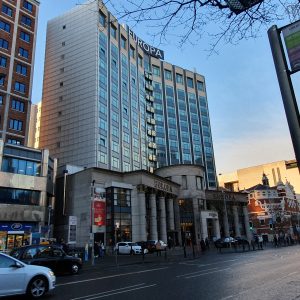
The Europa Hotel is a four-star hotel in Great Victoria Street, Belfast. It is known as the “most bombed hotel in the world” after having suffered 36 bomb attacks during the Troubles. It opened in July 1971 and was built…

On the 2017 commemoration of International Women’s Day, the Ulster History Circle unveiled a blue plaque for Emma Duffin at her former University Square home in south Belfast. Duffin was best known for her work as a nurse and was…